
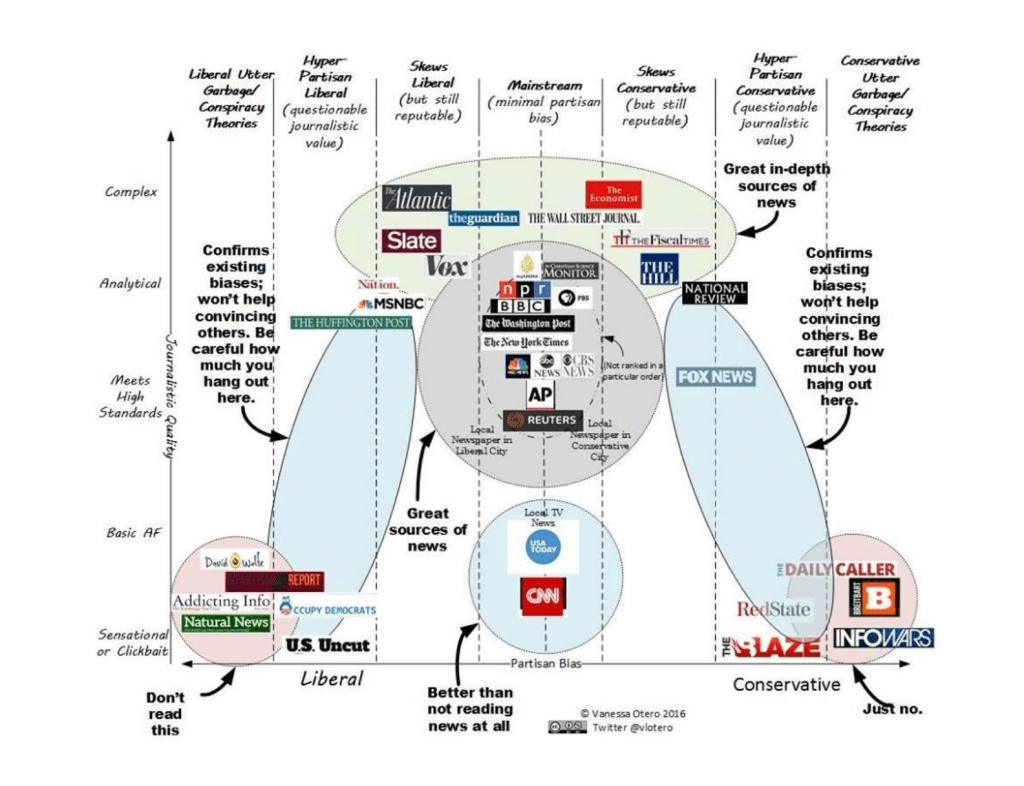
The New York Times leans left and has historically not been a supporter of Donald Trump or his family. “Still Standing, Jared Kushner and Ivanka Trump Step Back in the Spotlight” by Maggie Haberman and Katie Rogers is no exception. The article is written by two White House correspondents, one of which was part of a Pulitzer-winning team that reported on Trump’s connections to Russia (Haberman). While the article does not present an outright opinion on Kushner and Ms. Trump, it is “biased” in the sense that it serves to emphasize the tensions between the “Javanka” couple, Trump, and his aides so as to call into question the stability of Trump’s administration, which reveals the partiality the Times has against Trump. In addition, while this article appears to be factually accurate, it is not the best example of an effective use of sources.

(Images courtesy of The New York Times)
The first source used is “five people who heard [Trump]” joke that he wishes he could have Tom Brady as a son-in-law instead of Kushner. While this is used as a humorous way to draw the reader into the article, I do not think it was an effective way to begin the article because it introduces ambiguity right from the get go. There is an attempt to add credibility to the source by adding the detail of a specific number, but other than that, we have no idea who these “people” are or where, when, and why they said this.
As the article continues, the sources remain similarly vague. Haberman and Rogers cite “someone familiar with [Ms. Trump’s] thinking,” “the couple’s allies,” and “people close to [Ms. Trump].” The reporters are attempting to create a sense of close proximity because these sources are supposed to provide inside knowledge on Javanka, such as what Ms. Trump herself thinks about the end of her fashion brand. However, we still are unable to glean neither who these supporters are nor their motivations. Representing the opposing party are comparably vague sources including “[Mr. Kushner’s] detractors” and “critics.”
In this way, Haberman and Rogers attempt to make up for proximity lost because Javanka avoids speaking to reporters on record. It detracts from the strength of their article if quotes received directly from the subject in question are left out. As a compromise, the reporters accessed sources that would speak on the couple’s behalf. Steven Mnuchin, Treasury secretary, was “one of several allies the couple asked to speak on their behalf for this article.” He told the Times that the two are valuable partners of Trump’s cabinet. This information is blemished by the fact that the Times explicitly stated that Mnuchin was asked to speak on Javanka’s behalf because it shows the information he presents is not independent of the couple, and his motivation is likely to paint them in a favorable light.
Further into the article, it seems that Haberman and Rogers give up providing evidence to support Kushner’s strained relationship with Trump’s aides and instead opt to provide a long list of names of people who he has had disagreements with, starting with Trump’s campaign manager Corey Lewandowski and ending with his lawyer Marc Kasowitz. This is an attempt to strengthen the claim by virtue of the large number of people, but it fails to be very effective because of the lack of evidence attached to the names. In addition, it perhaps mistakenly assumes that all readers will have some knowledge of Kushner, otherwise there is no way to logically understand the connections between him and the people listed.
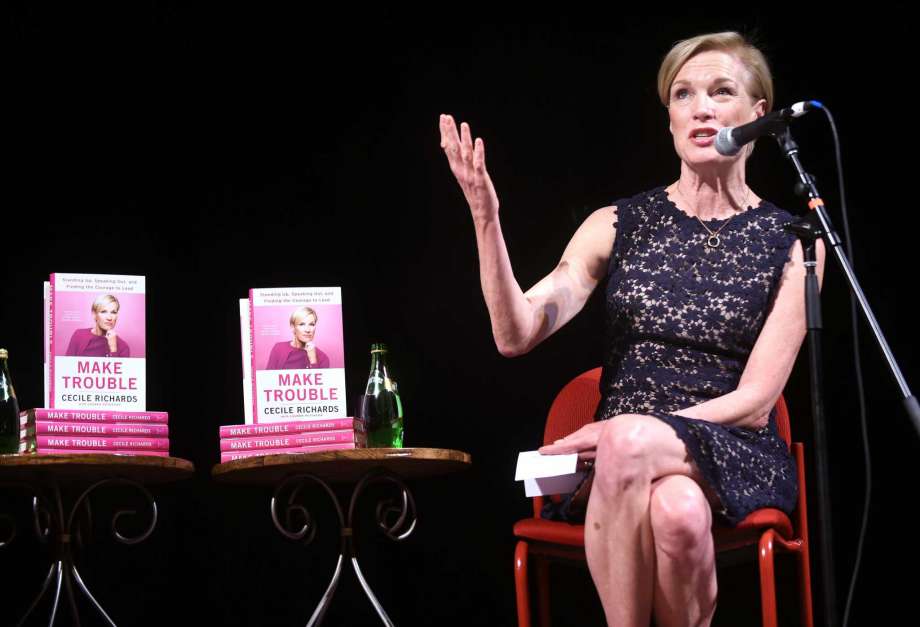
The article cites around four specific, named sources from both parties with evidence to support them. These include Democratic strategist and Trump administration critic Hilary Rosen, former Planned Parenthood president Cecile Richards, former White House press secretary Sara Huckabee Sanders, and Maine Republican Senator Susan Collins. While some of these sources are supposedly experts in politics (Rosen, Sanders, Collins), others still fall short of being effective sources for this article. Richards, for example, is cited through a memoir as saying that Javanka “had offered her a deal that felt like a ‘bribe’ — continued federal funding for the group in return for a halt to providing abortions.” Memoirs are a secondary source and rely greatly on the recollection of the author after the fact, making them not as reliable. In addition, Ms. Trump does make a valid point that Richards could have “initiated the meeting and later ‘mischaracterized’ the discussion ‘for political and personal profit’” off her book.
(Image courtesy of the New Haven Register)
Based on my findings, the use of anonymous/vague sources damages the credibility of the article. Despite reporting “facts,” it is clear from the way the content is laid out that the authors are disapproving of Trump’s policies and Javanka’s unwillingness to speak to the press. As a result, this article will read easier if you are politically and socially left leaning. However, because the Times is relatively transparent with their partisan leaning, having endorsed the democratic candidate for president an overwhelming number of times, for example, there is nothing inherently wrong with how Haberman and Rogers constructing their article in the way that they did. Despite this, I believe the reporters could have done better with their sources for this article.
(Image courtesy of Ad Fontes Media)
(Featured image courtesy of The New York Times)
 Yulia's ASCJ 200 Blog